
Custom Manufacturing, Project Outsourcing, your Trusted Partner from China
In the continuous pursuit of novel therapeutic agents for neurological disorders, natural compounds have always been a rich source of inspiration. Among these, Peganum harmala, a plant with a long history of traditional medicinal use, has garnered significant scientific interest. Recent research, as highlighted in scientific literature, points towards the remarkable neuroprotective and cognitive-enhancing capabilities of its extract, largely attributed to its principal alkaloid, harmine. This exploration delves into how harmine from Peganum harmala extract contributes to brain health.
Alzheimer's disease (AD), often referred to as 'type 3 diabetes' due to its strong links with insulin resistance in the brain, presents a complex challenge. Studies have indicated that Peganum harmala extract can significantly alleviate AD-like pathology in animal models. This is achieved through a multifaceted approach, primarily by enhancing the brain's insulin and Glucagon-like peptide-1 (GLP-1) signaling pathways. These pathways are critical for neuronal function, synaptic plasticity, and overall brain health. By improving these signaling cascades, the extract helps to combat the insulin resistance that is increasingly recognized as a contributing factor to cognitive decline.
Furthermore, the neuroprotective effects of harmine extend to combating oxidative stress and the accumulation of detrimental proteins associated with neurodegenerative diseases. Oxidative stress, an imbalance between free radicals and antioxidants, is a known contributor to neuronal damage. Peganum harmala extract has been shown to bolster the brain's antioxidant capacity, reducing markers of oxidative damage. Simultaneously, it helps to mitigate the buildup of amyloid-beta plaques and hyperphosphorylated tau proteins, which are hallmarks of AD pathology.
The implications of these findings are substantial for the development of natural treatments for neurological disorders. Understanding the mechanisms by which Peganum harmala extract, and specifically harmine, exerts its beneficial effects provides valuable insights for pharmaceutical and nutraceutical industries. The ability of this plant-derived compound to positively influence insulin signaling, reduce neuroinflammation, and protect neurons from damage positions it as a promising agent for improving cognitive function and potentially slowing the progression of neurodegenerative diseases.
For those interested in exploring natural approaches to brain health, research into compounds like harmine from Peganum harmala extract offers a glimpse into the future of neurotherapeutics. As we continue to unravel the complexities of brain aging and disease, natural agents that support critical signaling pathways and offer antioxidant protection are invaluable.
Manufacturing Facilities
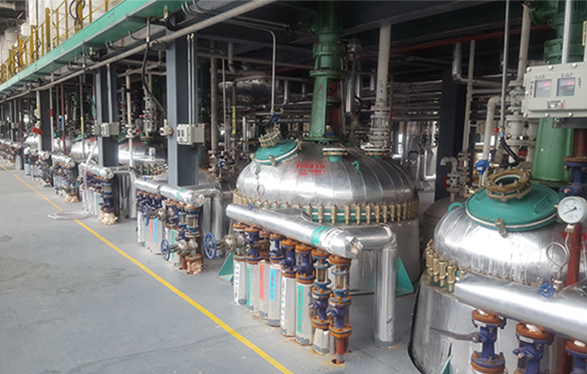


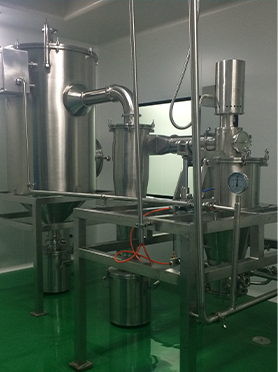
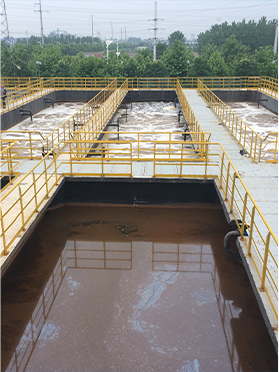

Professional Export Experience
to Global Customers
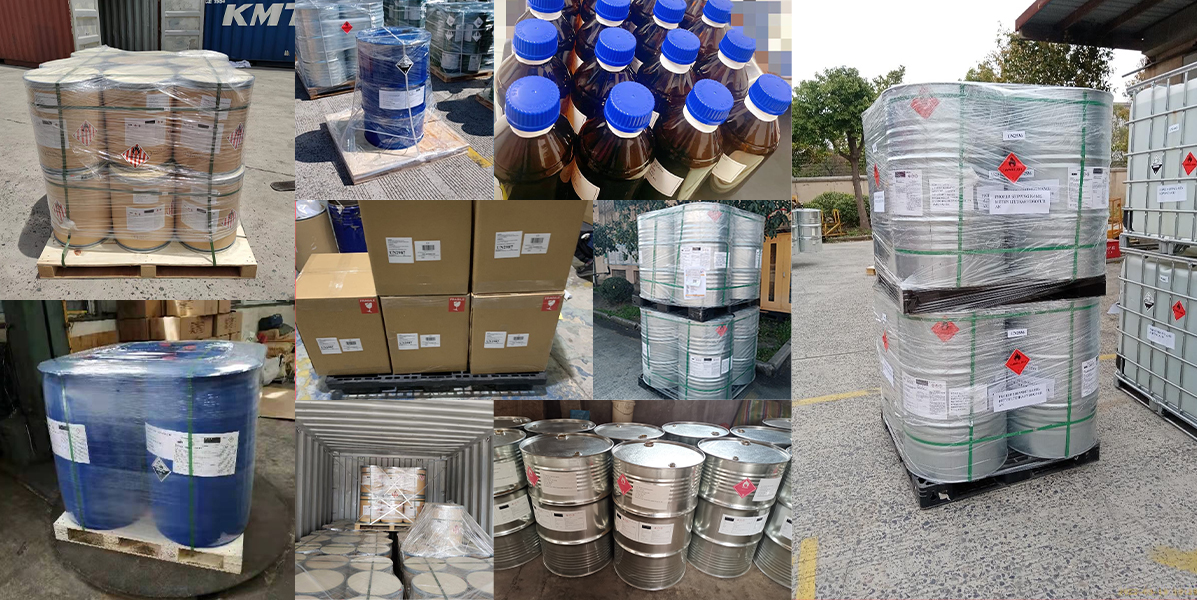
1. 20 years of R&D, manufacturing and sales experience, serving customers in 60 countries and regions around the world;
2. Own R&D laboratory, pilot platform and large-scale production workshop, which can meet the audit requirements of global customers;
3. We can satisfy customers' perfect transition from small scale lab requirements (gram level) to commercialization requirements (hundred tons level).
A: We don't have Minimum Order Quantity, exact quantity should be provided before quotation for us to calculate the exact cost.
A: We don't provide free samples due to lots of request and expensive international courier's cost, we can deduct the sample charge after commercial order placed.
A: Our payment terms: Small or sample order: T/T IN ADVANCE. Commercial order: First order should be by T/T IN ADVANCE or L/C at sight, and following orders T/T 30~90days is acceptable subject to approval of credit application.